Tiny Tractors, Big Ideas
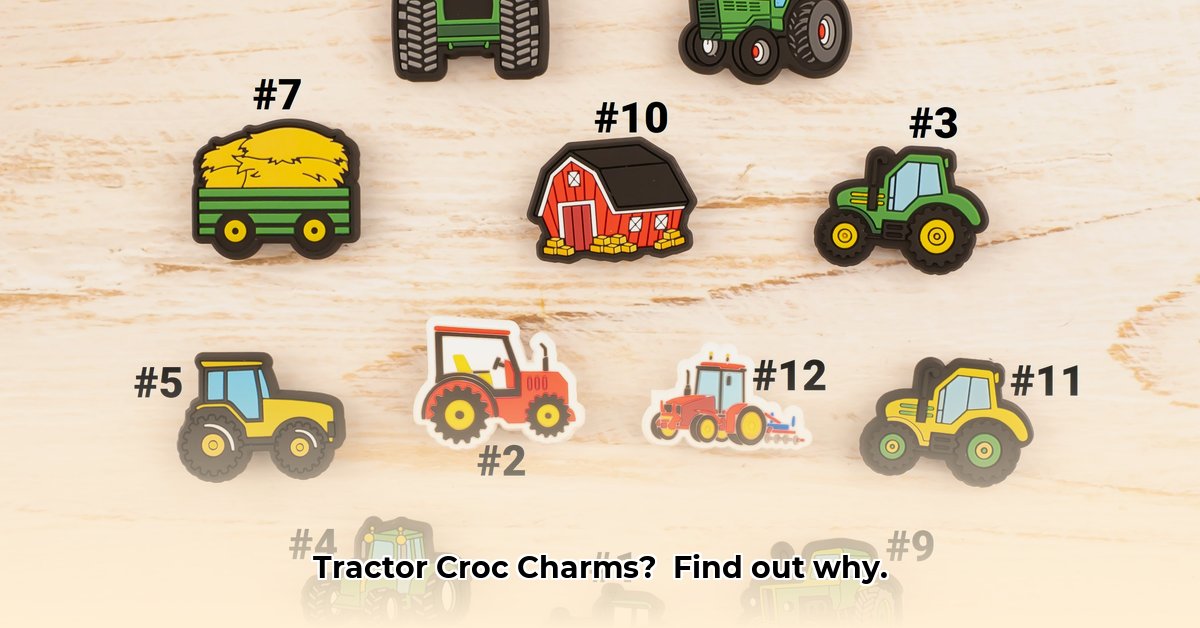
Ever noticed those adorable little tractor croc charms? They're popping up everywhere—keychains, backpacks, even adorning the footwear of the surprisingly stylish. These miniature marvels might seem like mere whimsical accessories, but they subtly reflect a larger societal shift: a growing interest in sustainable agriculture. It's an unexpected connection, but one worth exploring. These charms, in their own quirky way, symbolize our increasing awareness of where our food comes from and how it's grown. For more adorable tractor finds, check out this link to tractor.
Why We Love Our Little Tractor Charms (And Sustainable Food)
The popularity of these tiny tractor charms isn't a fleeting trend; it mirrors a broader cultural change. Consumers are increasingly prioritizing sustainably sourced food, willing to pay more for produce grown with environmentally friendly methods. This conscious consumerism demonstrates a tangible shift in values, illustrating a growing demand for healthier, more ethically produced food. Isn't it fascinating how a small resin tractor can reflect such a significant societal shift?
Sustainable Farming: What's It All About?
Sustainable farming isn't merely a buzzword; it's a holistic approach to food production that prioritizes environmental stewardship and long-term viability. Let's delve into some core concepts:
Precision Irrigation (Smart Watering): This technology uses sensors and data-driven systems to deliver precisely the right amount of water to each plant, minimizing waste and maximizing efficient water use. Think of it as providing each plant with its own personalized hydration schedule—less water wasted, healthier crops.
Regenerative Farming (Working with Nature): This method focuses on improving soil health through practices like planting cover crops (plants used to protect the soil) and minimizing soil disturbance. It's about creating a robust foundation for healthy plants and minimizing soil erosion, working with nature rather than against it.
Government Subsidies (Supporting Sustainable Practices): Many governments provide financial incentives to farmers who adopt sustainable practices. These subsidies help offset the higher initial costs associated with sustainable farming techniques, encouraging broader adoption and benefiting both the environment and the economy.
Consumer Choice (Your Power as a Shopper): Your choices at the grocery store directly influence farming practices. Demand for sustainably grown food incentivizes farmers to adopt sustainable methods, creating a powerful feedback loop between consumer preferences and agricultural practices. Do your choices reflect your values?
The Challenges and Rewards of Sustainable Agriculture
Despite the promise of sustainable agriculture, progress isn't without its challenges. Smaller farms often lack the resources to invest in technologies like precision irrigation. Furthermore, comprehensive government support programs and widespread consumer understanding of sustainable practices aren't always readily available. However, these obstacles are surmountable through increased awareness, innovative financing solutions, and robust policy changes. The potential rewards—a healthier planet and food system—are well worth the effort.
From Tiny Charms to Big Changes
Those charming tractor charms, while seemingly unrelated to complex agricultural issues, represent a broader trend – a growing awareness and concern about sustainable food production. They’re a delightful reminder that even small things can make a significant difference. Every conscious choice you make, from selecting sustainably grown produce to appreciating the miniature agricultural symbols adorning your shoes, contributes to a healthier, more sustainable food system for everyone. Their subtle message encourages us to be more conscious of our daily food choices and their impact on the planet.